



In 1917, when Marcel Duchamp submitted a porcelain urinal for exhibition in New York, proposing that it be considered art, he flipped the art world on its head. Duchamp attested that anything could be considered as art if it was chosen by the artist and labelled as art. It was a profoundly revolutionary sentiment at that time which challenged previous notions of art as technically skilful, beautiful and emotive.
If we can consider Duchamp’s divergent and radical urinal submission a piece of art, then why should an algorithm-generated piece of artwork be dismissed? Both, after all, are controversial in their time and both, technically, are not made by an “artists” hand.
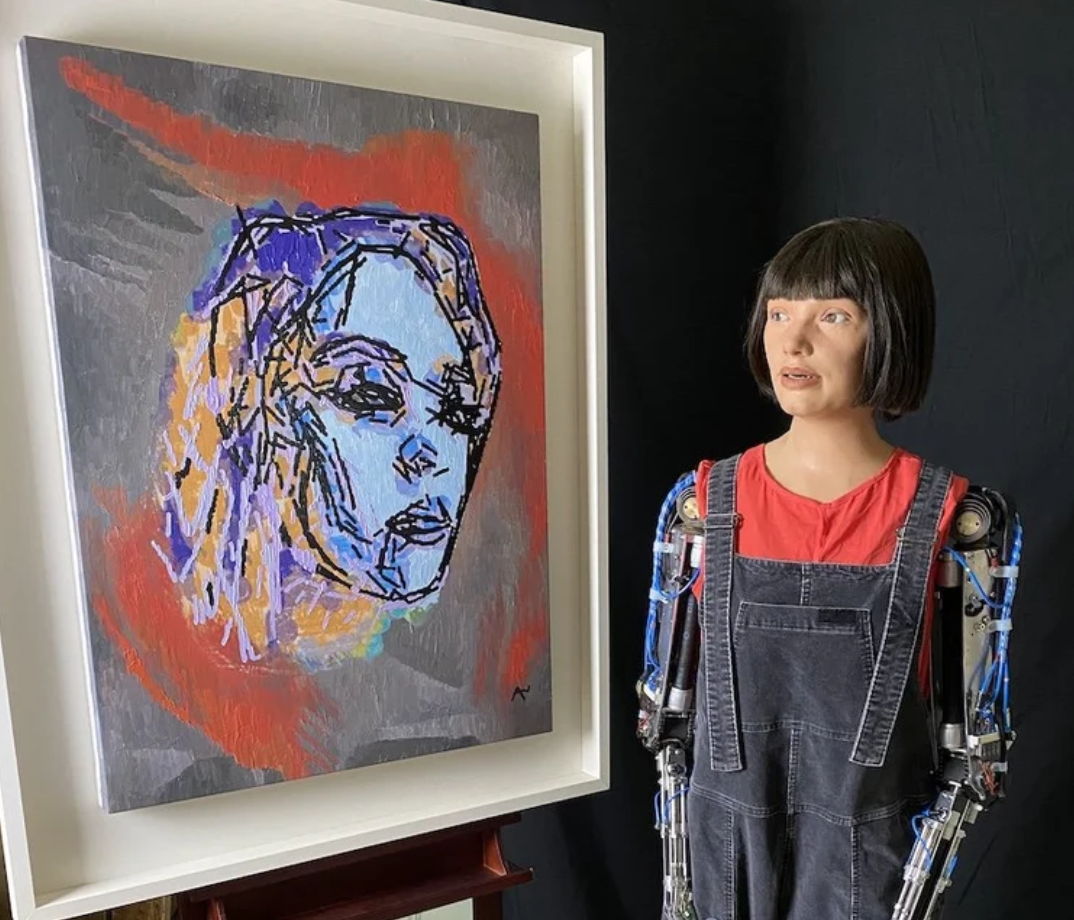
In 2019, Ai-Da, the world's first ultra-realistic humanoid robot artist, created by Aidan Meller was launched in the UK by a company called Engineered Art. Ai-Da has sparked debate in the art world since then, about who or what can create art. According to Meller, who recently spoke to the BBC, when you look at artists over the generations as to why they succeeded, there’s only one common denominator - and that is the response of the audience to their work. “All the greatest artists explored what people were already worried about.”
The reason, according to Meller’s research, they became so big, “is because of the concerns of the audience - they were already feeling it and then the artist would channel those feelings and thoughts into a visual form that they can then relate to.” Meller may have just hit the nail on the head there - one of the biggest concerns of people in the 2020’s is probably the human touch in relation to art, commerce and even sport, to name a few disciplines. In fact, when I asked ChatGPT: “What are some of the biggest cultural concerns of the 2020s? ", it cited AI as one item, high, on its list of ten. I then probed further, and according to ChatGP, the erosion of the “human touch” in creative pursuits and commerce is one of the central cultural and ethical concerns surrounding AI, especially in the 2020s.
“As AI tools become more powerful and integrated into customer service, marketing, sales, and even creative work, many people fear that something essential — human connection, empathy, nuance — is being lost.”
For those who fear the loss of certain jobs, particularly in the world of creativity, art and design and the controversy surrounding human artists' art vs AI-generated art, I ask that you look back, while you also look ahead. Back in the days of the internet revolution and the onset of e-commerce, we thought that bricks-and-mortar stores would no longer exist one day. We thought it would quickly become a thing of the past. But that hasn’t happened. Yes, shopping on the internet is faster and can be easier and more convenient, but what we have learnt and why traditional retail stores still exist and thrive today is because humans value human connection. We love human touch points as that’s what we naturally desire, no matter what corner of the world we are from - it’s a human want and need.
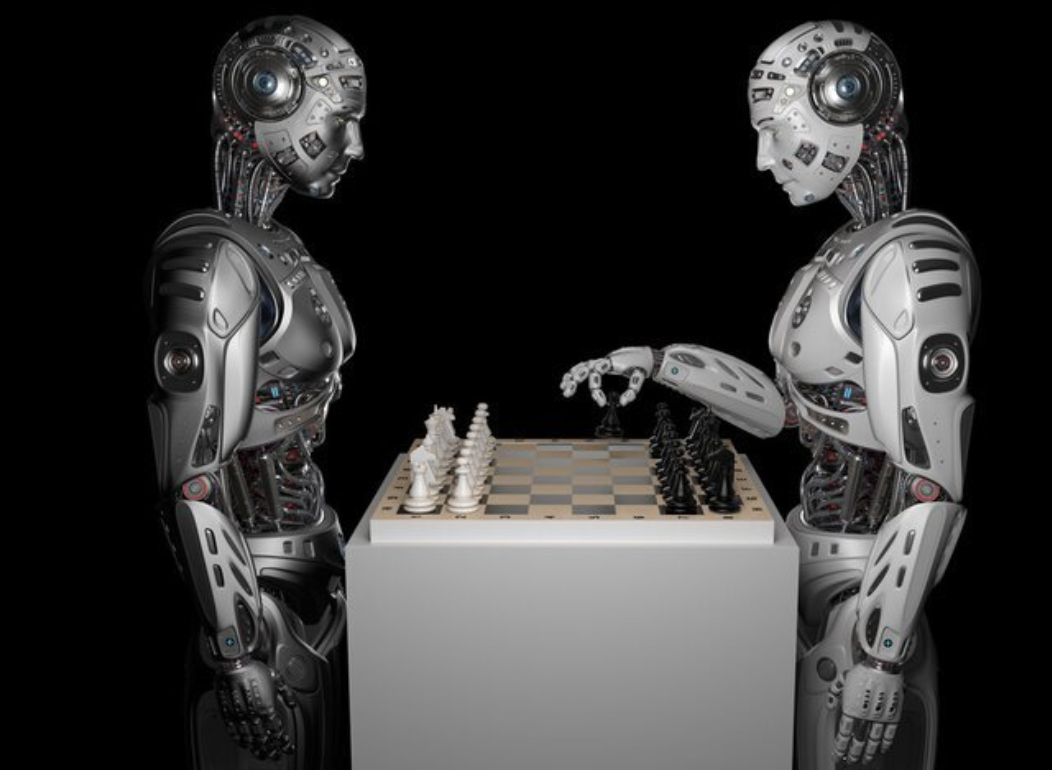
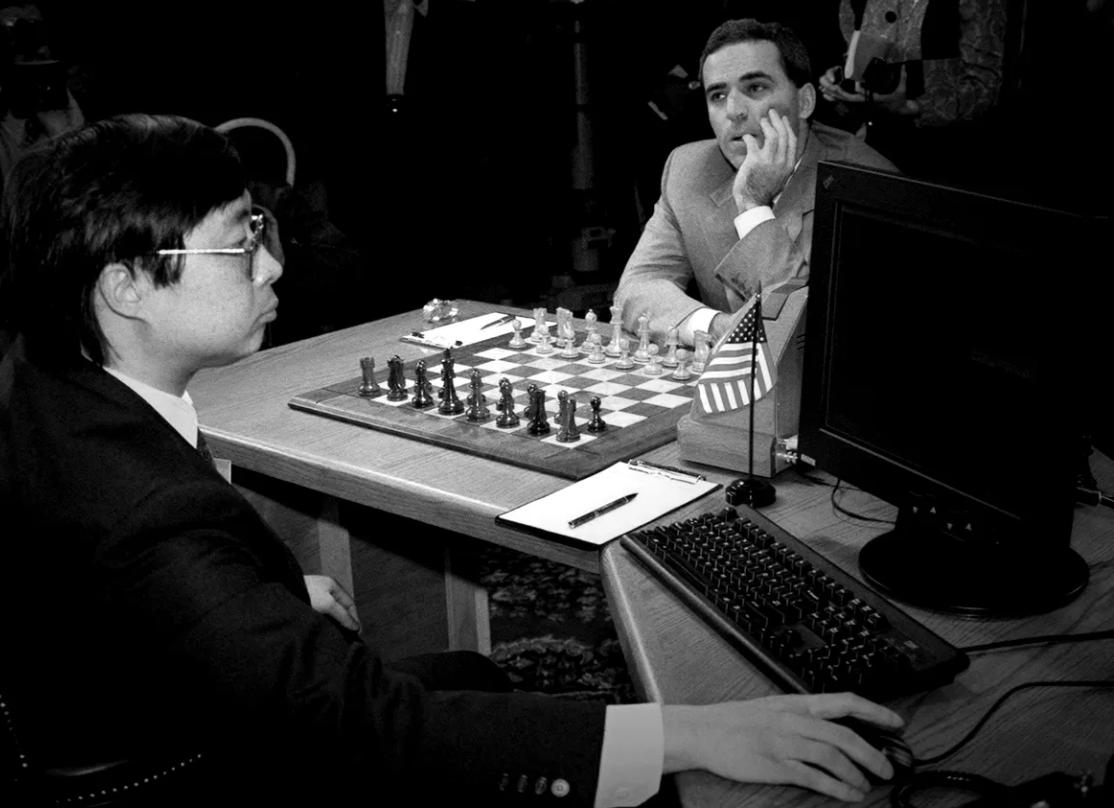
This is much better highlighted by two AI bots playing chess against one another. It is thought by some of the world’s leading experts in mindset, that people may react negatively to watching AI bots play chess, because, although the moves are perfectly executed by a much greater intelligence than two humans playing, it can be seen as a boring, predictable and a less skillful form of entertainment compared to human play, which offers more drama and error. AI removes the human element of chess, which is crucial for emotional engagement and the appreciation of strategic nuance. The drama in error from human play is a major part of interest and entertainment. Human error - it’s what makes us unpredictable; it’s what makes us interesting, not perfection.
Today, I came across the Japanese design concept Wabi Sabi, which embraces the beauty that is found in that which is impermanent, incomplete or imperfect. With its origins rooted in Buddhism, it encourages appreciation in the natural cycle of growth and decay and the philosophy finds value and beauty in rust, decay, weathering and the like over superficial perfection. Have you ever had the pleasure of observing Japanese ceramics - they’re wonky and you will note the gleam of the uneven glaze. They are imperfect and they’re beautiful. And do you know why they’re beautiful? It’s because they’re handmade, it’s because they’re imperfect, it’s because a human touched it and made it with their hands and it took a significant period of time to make.
Why do you think Ferrari charges over half a million dollars for its cars? The build time is lengthy and it is largely put together by hand. A new Ferrari takes about three to five months to build with most processes, especially the engine and interior, assembled and finished by hand, not by a robot. It is often said that when you buy a Ferrari, you’re not just buying a car, you're buying a piece of automotive art.
Today, in the world of art, artists are made to sign affidavits that say “I painted this” and “I made this” (and not AI). This is not because the art they produce is better or worse than what AI can produce. It’s so that we know that art was touched and made by human hands. There is value in knowing that it was made by a human and not a machine.
Things made by hand are beautiful, because they’re imperfect and that’s also what makes people beautiful. It’s not that we are perfect and that we get everything right. What makes humans beautiful is that we get many things wrong. There is beauty in human error and I think we forget this in a world that is striving so hard for perfection. ◾️